English
 Português
 Español

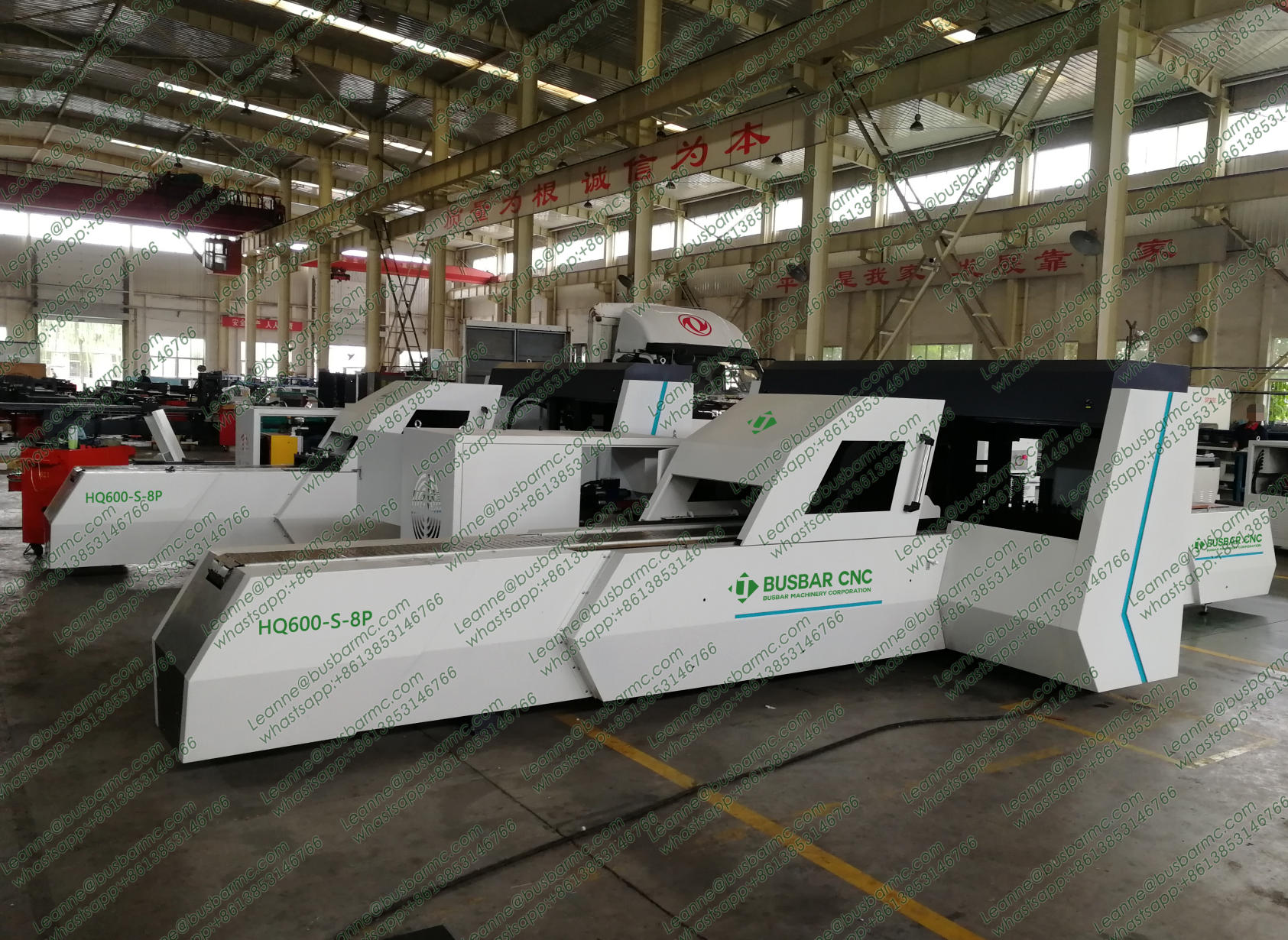
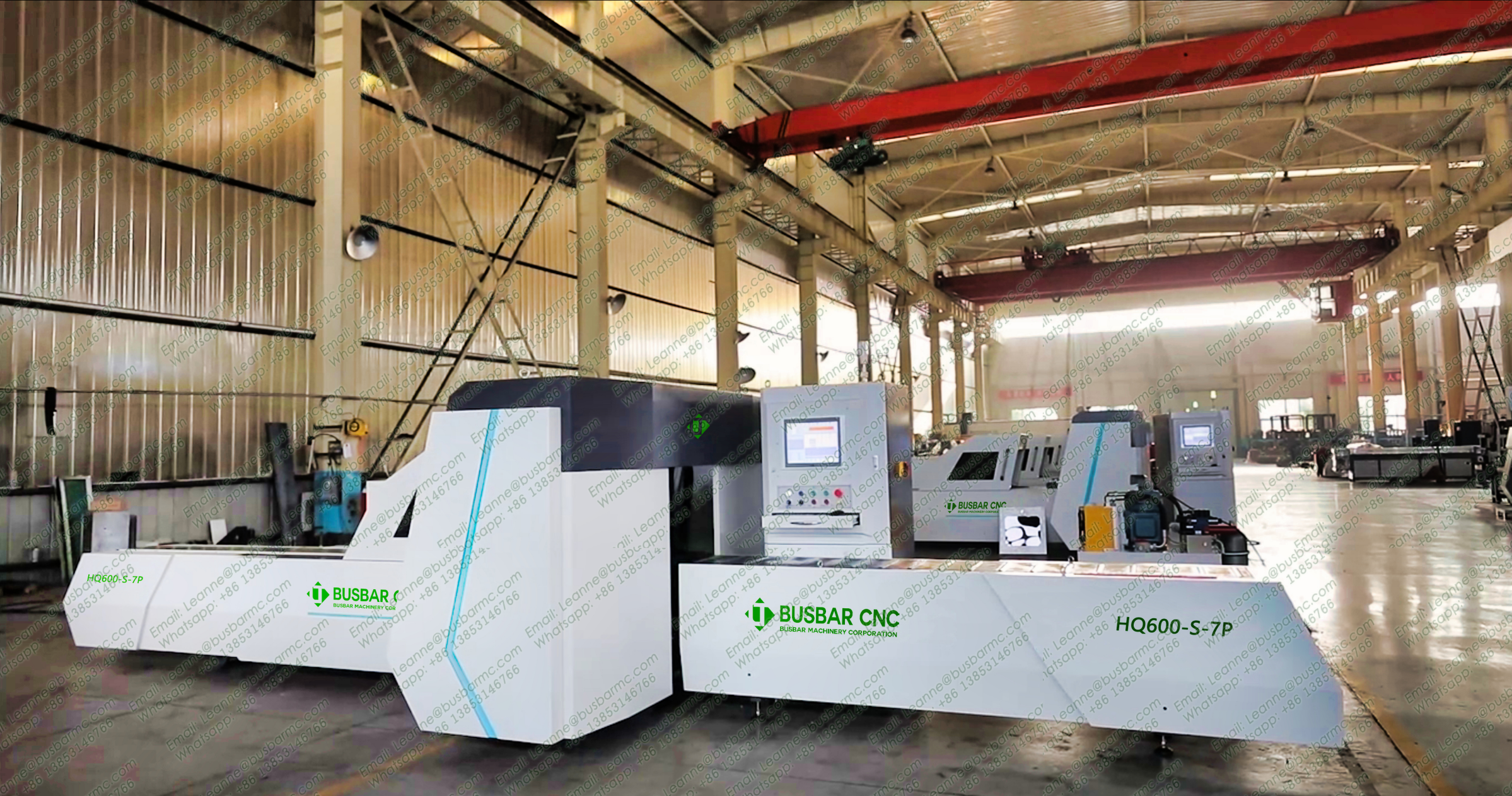
Quick answer: a busbar bending machine positions a copper or aluminum flat relative to a bending die and applies controlled force to form the drawing’s angles and geometries for switchboards, transformers, panels and distribution equipment. The machine is judged by released angle, bend-line position, inside radius, flanges, surface and batch variation, not by rated force or controller numbers alone. On the LT 303U-3-C, 503U-3-C and 803U-3-C 3-in-1 machines, bending is one of three stations on the same frame.
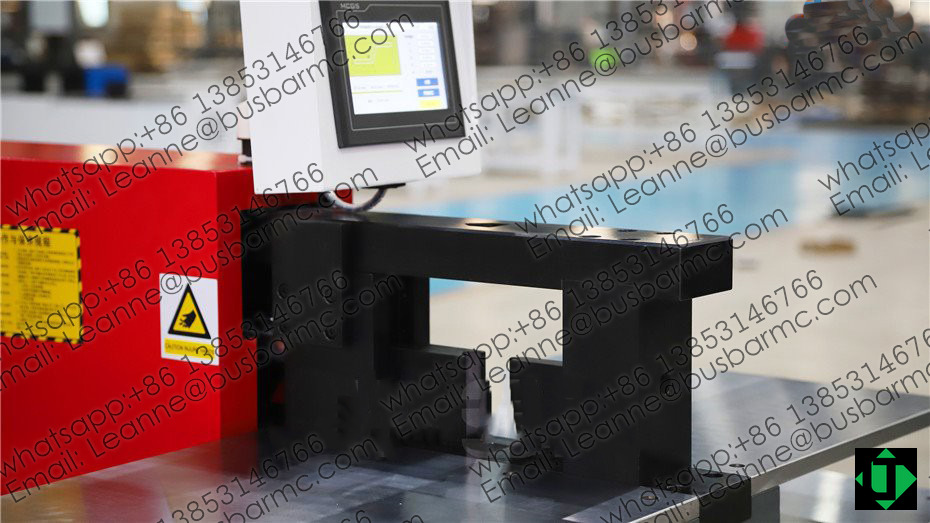
How a switchboard bend is formed
Busbar-specific benders focus on conductor widths and on common L, U, Z or offset geometries, which a Buenos Aires, Córdoba or Rosario shop uses to route bars inside a switchboard or cubicle. Radius must be considered against thickness. The displayed or programmed angle is not the finished angle until springback is proven.
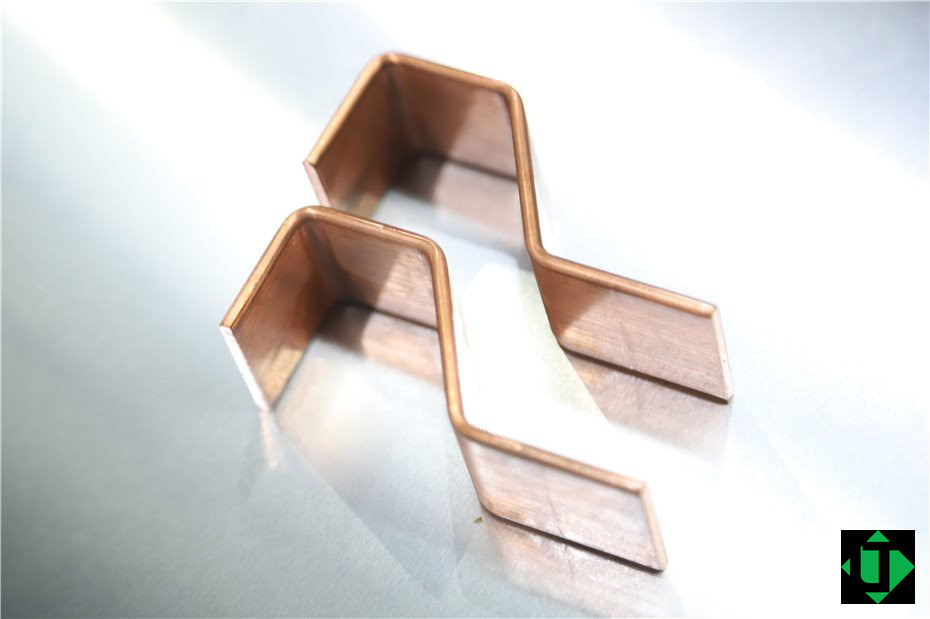
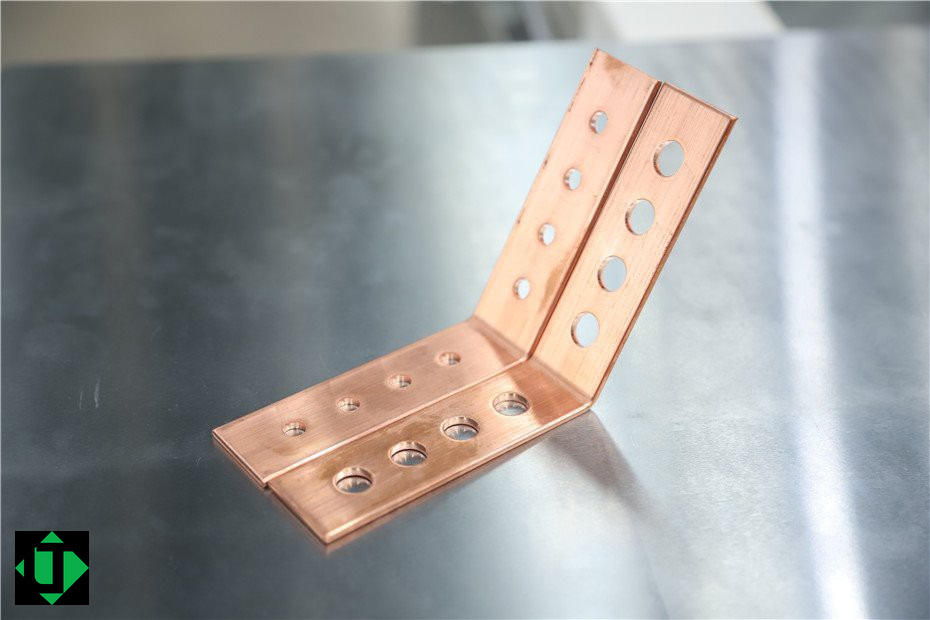
Flat bend vs vertical (edge) bend
Flat bending is done in the thickness plane and follows the model’s maximum width × thickness class. Vertical or edge bending is done in the width plane and has a tighter published envelope: 10×100 mm on 303U-3-C and 12×120 mm on 503U-3-C and 803U-3-C. Close bends with spacing under about 40 mm need engineering review.
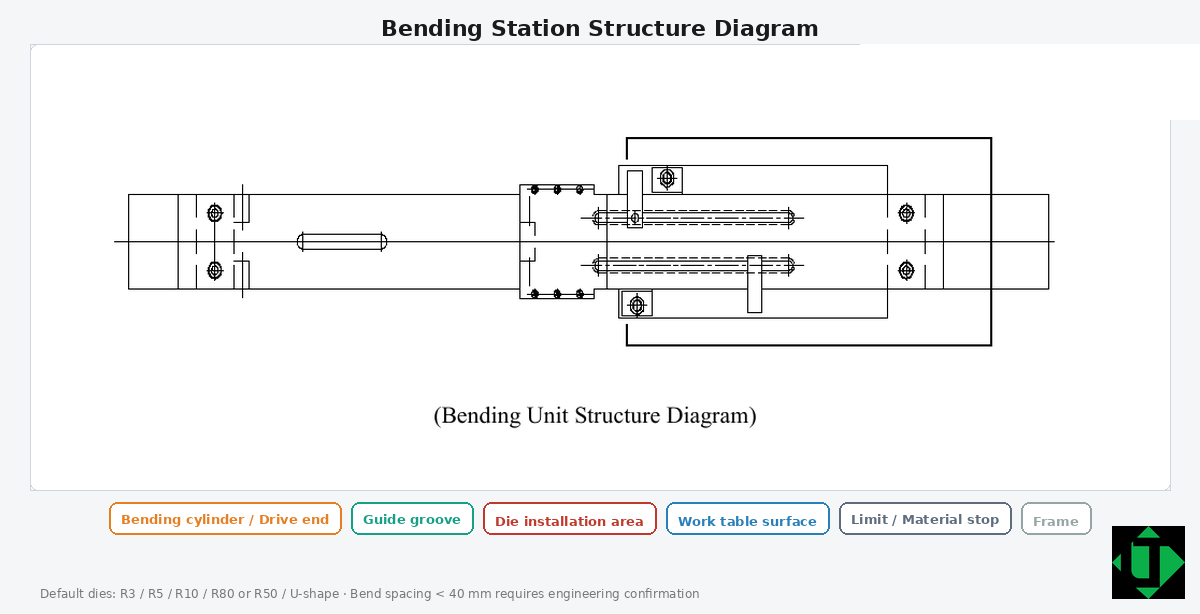
Where bending sits on an LT 3-in-1
| Model | Nominal force (kN) | Punching diameter (mm) | Max thickness / width (mm) | Max horizontal bend (mm) | Max vertical bend (mm) | Pump power |
|---|---|---|---|---|---|---|
| 303U-3-C | 300 | Φ4.3–Φ25 | 12 / 150 | 150 / 12 | 10×100 | 3×4 kW |
| 503U-3-C | 500 | Φ4.3–Φ30 | 16 / 200 | 200 / 16 | 12×120 | 3×5.5 kW |
| 803U-3-C | 800 | Φ4.3–Φ34 | 20 / 250 | 250 / 20 | 12×120 | 3×5.5 kW |
Figures come from the public LT / LTMC tables for 303U-3-C, 503U-3-C and 803U-3-C. Thickness class must always be confirmed together with width, hole and bend geometry, and FAT samples. Published angle tolerance: ±1° / ±0.5° (verify on the offer and FAT). Usual export voltage: 380 V / 50 Hz; other voltages (400 V 60 Hz, 415 V 50 Hz, 220 V 60 Hz) are declared on the order. Argentine workshops typically run 380 V / 50 Hz.
Published angle tolerance is ±1° / ±0.5° (verify on the offer and FAT). The Siemens PLC and HMI mode library support automatic mode (length, thickness, angle) and manual stroke limits for unconventional bends.
Buyer checklist
Material and temper, maximum section, flat vs edge list, radii, short legs, tolerances, volume, voltage and FAT samples. In an Argentine shop the typical supply is 380 V / 50 Hz.
Frequently asked questions
What is a busbar bending machine?
It is a machine or station that bends copper or aluminum busbars to drawing geometry with controlled dies and force.
Does tonnage equal bend quality?
No. Quality is the released part. Tonnage is only a capacity gate.
Do copper and aluminum have the same springback?
No. Aluminum usually needs larger compensation and a more careful minimum radius. Keep separate tables.
How do LT 3-in-1 bend stations help buyers?
It shares floor space with punch and shear, offers HMI modes, and publishes flat and edge envelopes on 303, 503 and 803.
How to request a quotation
For a quotation, send drawings, material (copper or aluminum and temper), maximum width × thickness, the hole and bend list, tolerances and supply voltage to [email protected] or WhatsApp +86 13853146766. More information: https://www.busductmachine.com/.