English
 Português
 Español
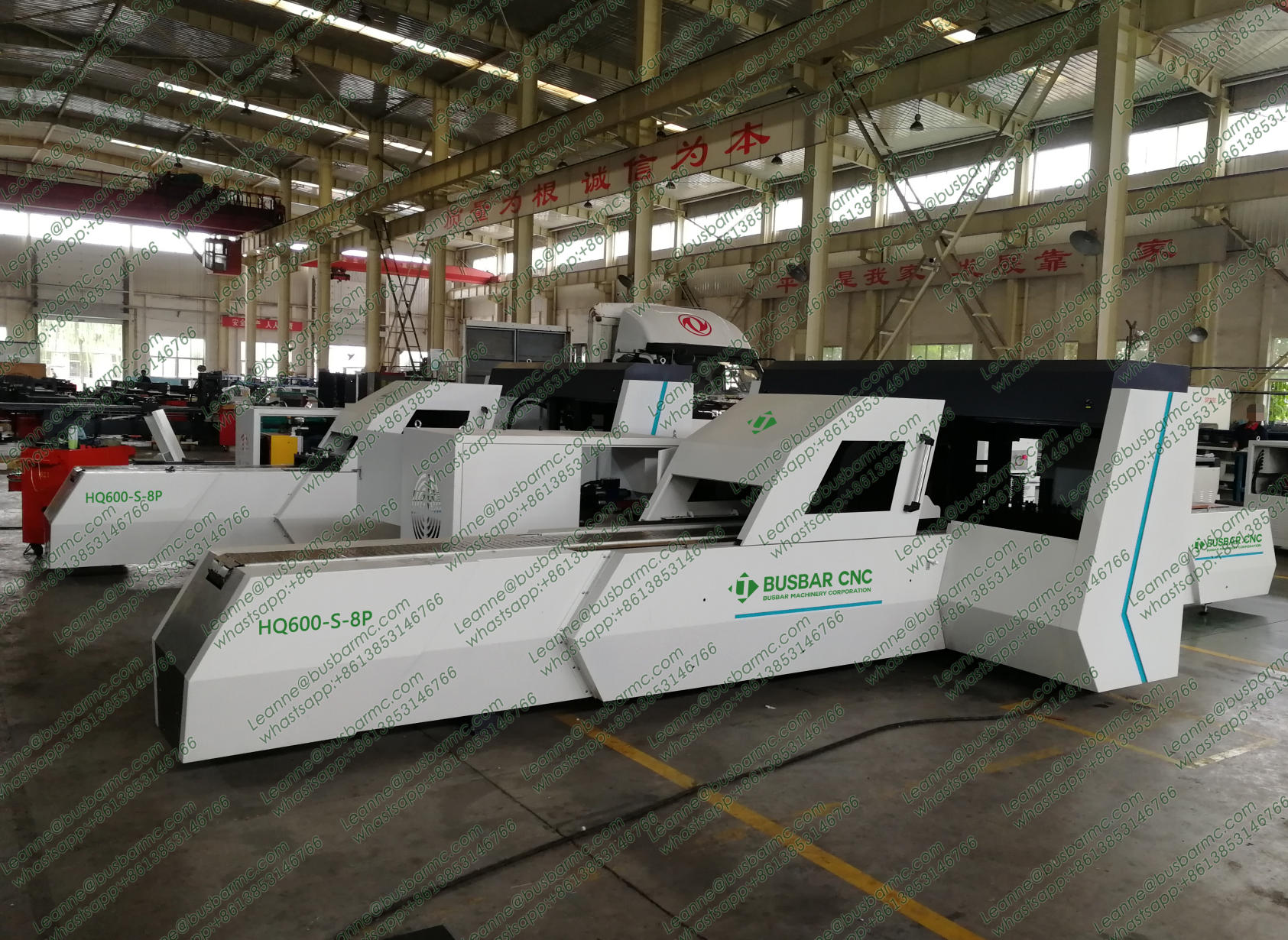
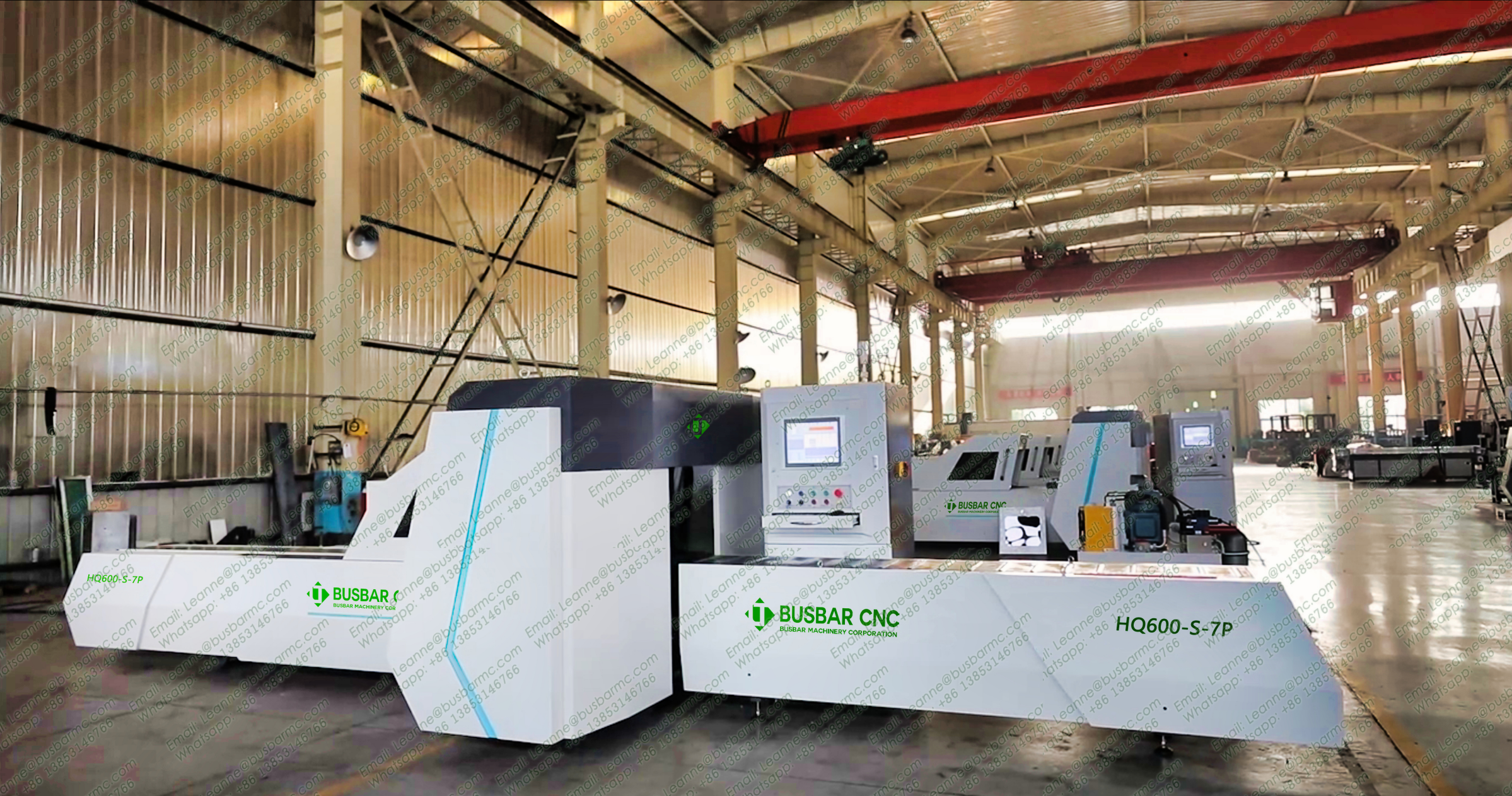
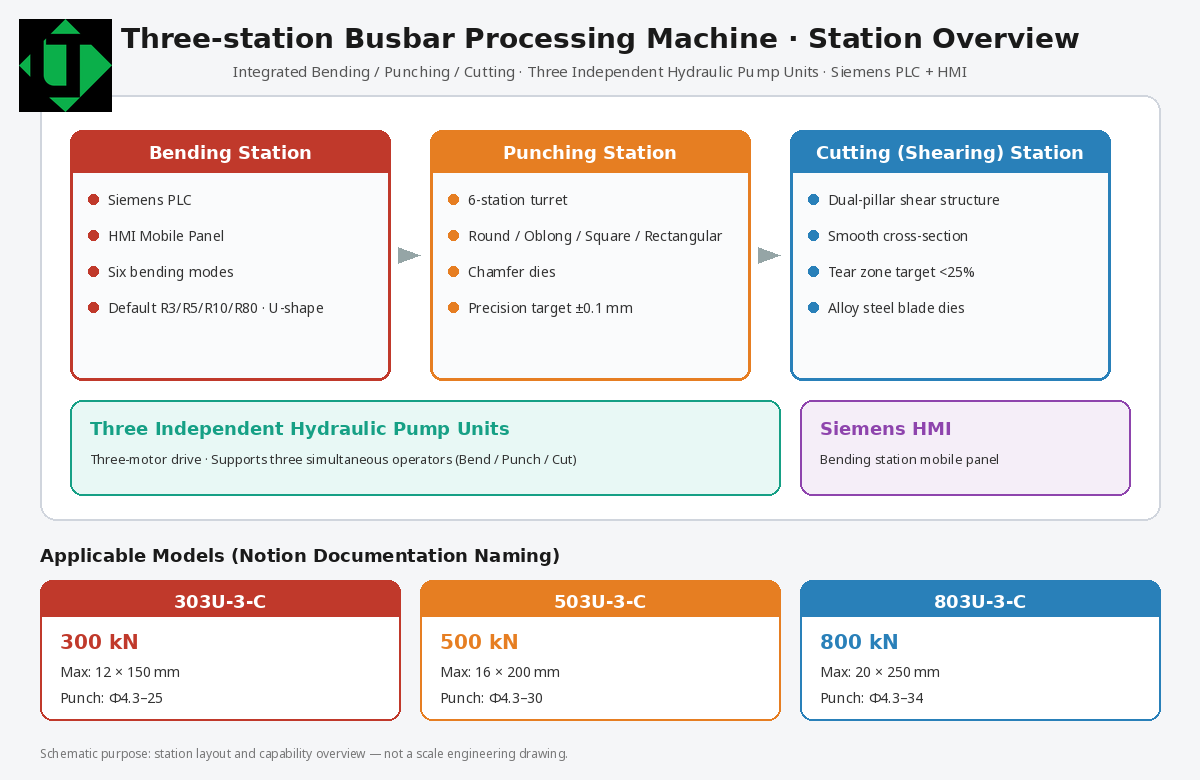
Quick answer: a 3-in-1 busbar processing machine, also called a three-station machine, integrates punching, hydraulic shearing and bending in one frame. Operators normally move and position the bar at each station. PLC or HMI measurement helps, but does not make feeding fully automatic unless specified. Select by operation-specific capacity, material, width × thickness, holes, bend geometry, tolerances, mix, handling and FAT. LT models are 303U-3-C, 503U-3-C and 803U-3-C.
What a 3-in-1 is (and is not)
It is one machine with three working units for copper or aluminum busbars. It is not a punch-shear line plus a bending centre, nor a set of portable site tools. On many U-3-C designs the punch uses a turret (often six dies), the shear has a guided head and hold-down, and the bender has a table and HMI.
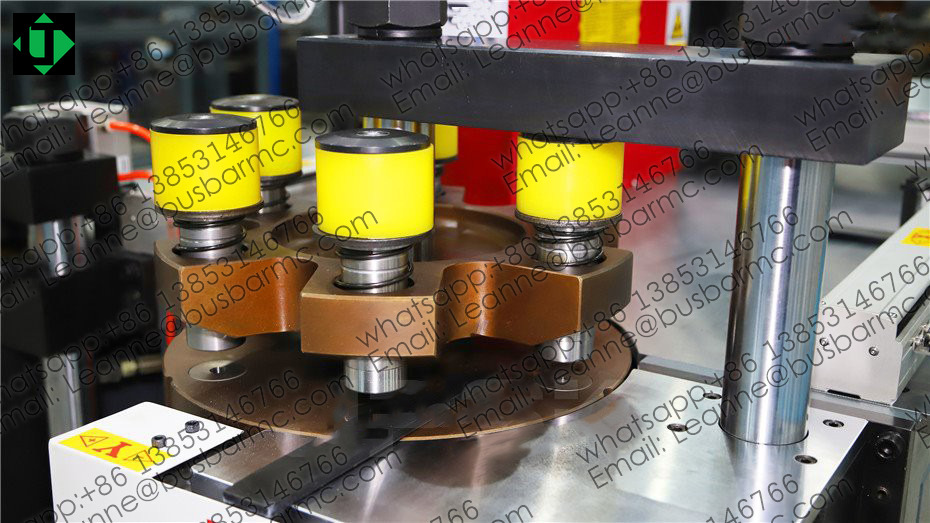
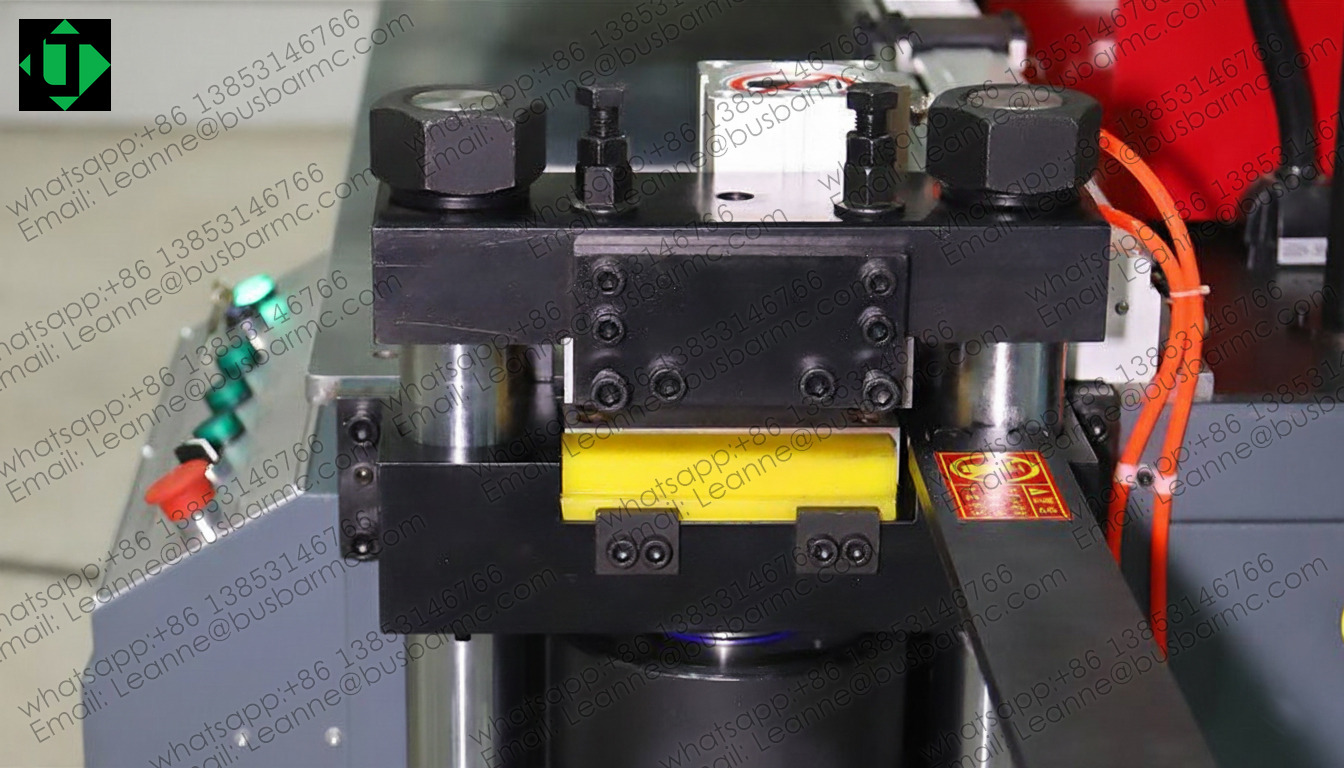
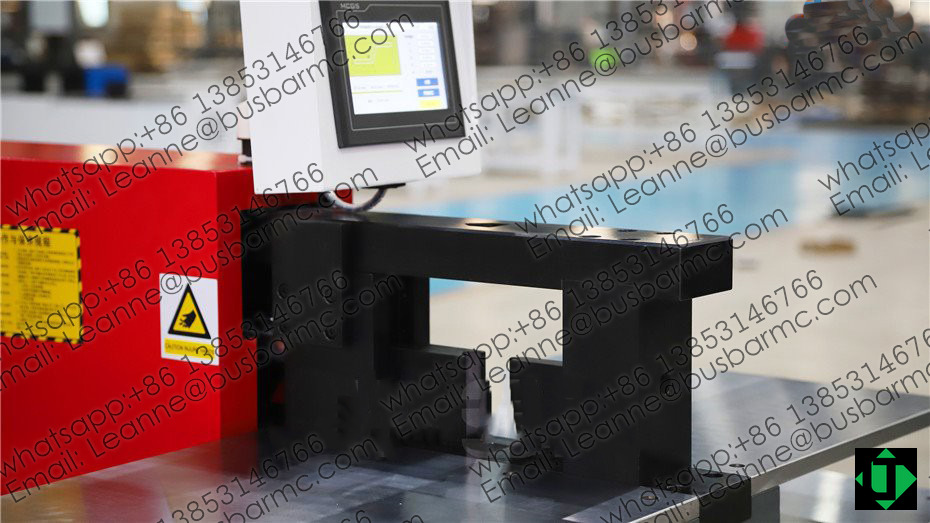
Station snapshot
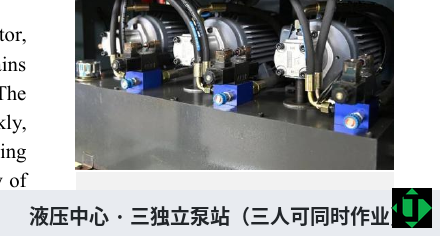
In a Buenos Aires, Córdoba or Rosario switchboard shop, the typical flow is cut to length, punch the drawing’s hole family and bend with the material springback table. The three independent pumps (3×4 kW on 303; 3×5.5 kW on 503 and 803) allow simultaneous work when staffing and safety allow.
Model selection card
| Model | Nominal force (kN) | Punching diameter (mm) | Max thickness / width (mm) | Max horizontal bend (mm) | Max vertical bend (mm) | Pump power |
|---|---|---|---|---|---|---|
| 303U-3-C | 300 | Φ4.3–Φ25 | 12 / 150 | 150 / 12 | 10×100 | 3×4 kW |
| 503U-3-C | 500 | Φ4.3–Φ30 | 16 / 200 | 200 / 16 | 12×120 | 3×5.5 kW |
| 803U-3-C | 800 | Φ4.3–Φ34 | 20 / 250 | 250 / 20 | 12×120 | 3×5.5 kW |
Figures come from the public LT / LTMC tables for 303U-3-C, 503U-3-C and 803U-3-C. Thickness class must always be confirmed together with width, hole and bend geometry, and FAT samples. Published angle tolerance: ±1° / ±0.5° (verify on the offer and FAT). Usual export voltage: 380 V / 50 Hz; other voltages (400 V 60 Hz, 415 V 50 Hz, 220 V 60 Hz) are declared on the order. Argentine workshops typically run 380 V / 50 Hz.
When to choose 3-in-1 vs a dedicated or CNC line
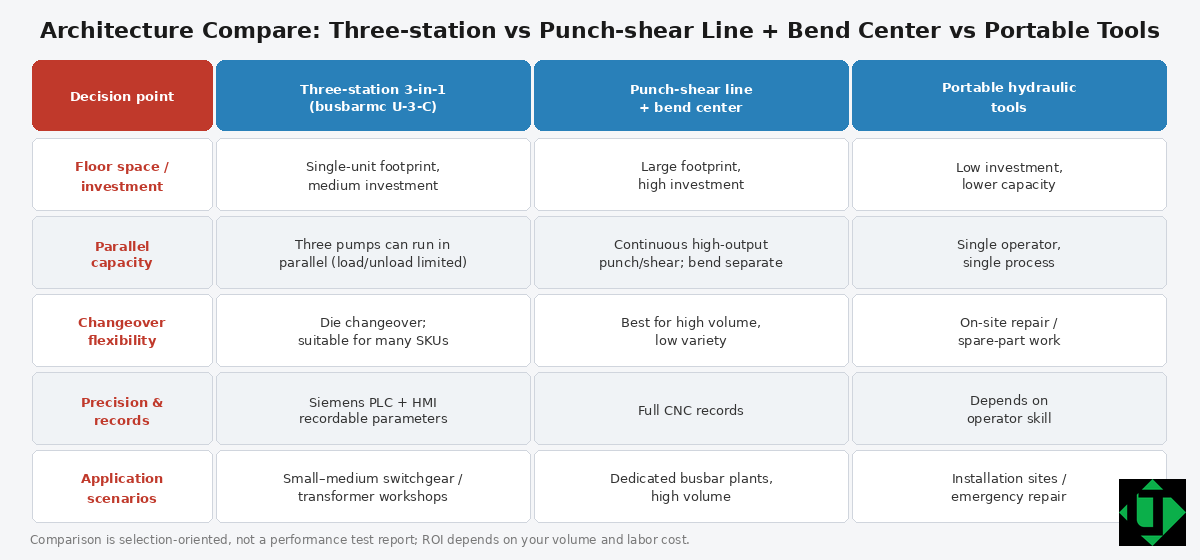
A hydraulic or recipe-assisted 3-in-1 is the usual route for a mixed-batch switchboard shop with limited floor space. A dedicated line or programmable bender makes sense when one process concentrates high volume. Portable tools belong on site or for touch-ups, not for routine IRAM switchboard production.
Quotation information checklist
Send material and temper, maximum width × thickness, hole and bend list, tolerances, volume, voltage (380 V / 50 Hz is typical in Argentine industry), model preference, die package and FAT drawings.
Frequently asked questions
What is a 3-in-1 busbar machine?
It is a single-frame machine with punch, shear and bend stations for copper or aluminum busbars.
Can three operators work at once?
On designs with three independent pump groups, typical of the LT U-3-C series, yes, when staffing and safety allow.
Is material feeding automatic?
On these machines the operator places and positions the bar. The HMI helps with measurement; automatic feeding exists only if specified.
How do I pick 303 vs 503 vs 803?
Map the hardest width × thickness and the hole and bend family to the model table, and confirm it on the offer and at FAT.
How to request a quotation
For a quotation, send drawings, material (copper or aluminum and temper), maximum width × thickness, the hole and bend list, tolerances and supply voltage to [email protected] or WhatsApp +86 13853146766. More information: https://www.busductmachine.com/.